FireFlow

Prior work

Prototypes that shaped the idea.

01 / Hybrid groovebox

Where a solo project breaks.

My most ambitious prototype combined analog and digital sound generation: Electrosmith Daisy Patch, MAX11300 expansion, two analog VCOs, analog filtering, and many 3.5 mm patch points for control voltage in and out.

The larger version used three MAX11300 chips to expose enough 12-bit I/O for the parameter-heavy idea. It reached proof-of-concept stage, but the scope was too large: analog hardware, embedded programming, UI, DSP, enclosure and musical concept all at once. It didn’t break at the code — it broke where every design decision landed on one person working alone. That’s the gap I’m closing this time by keeping the first version small.
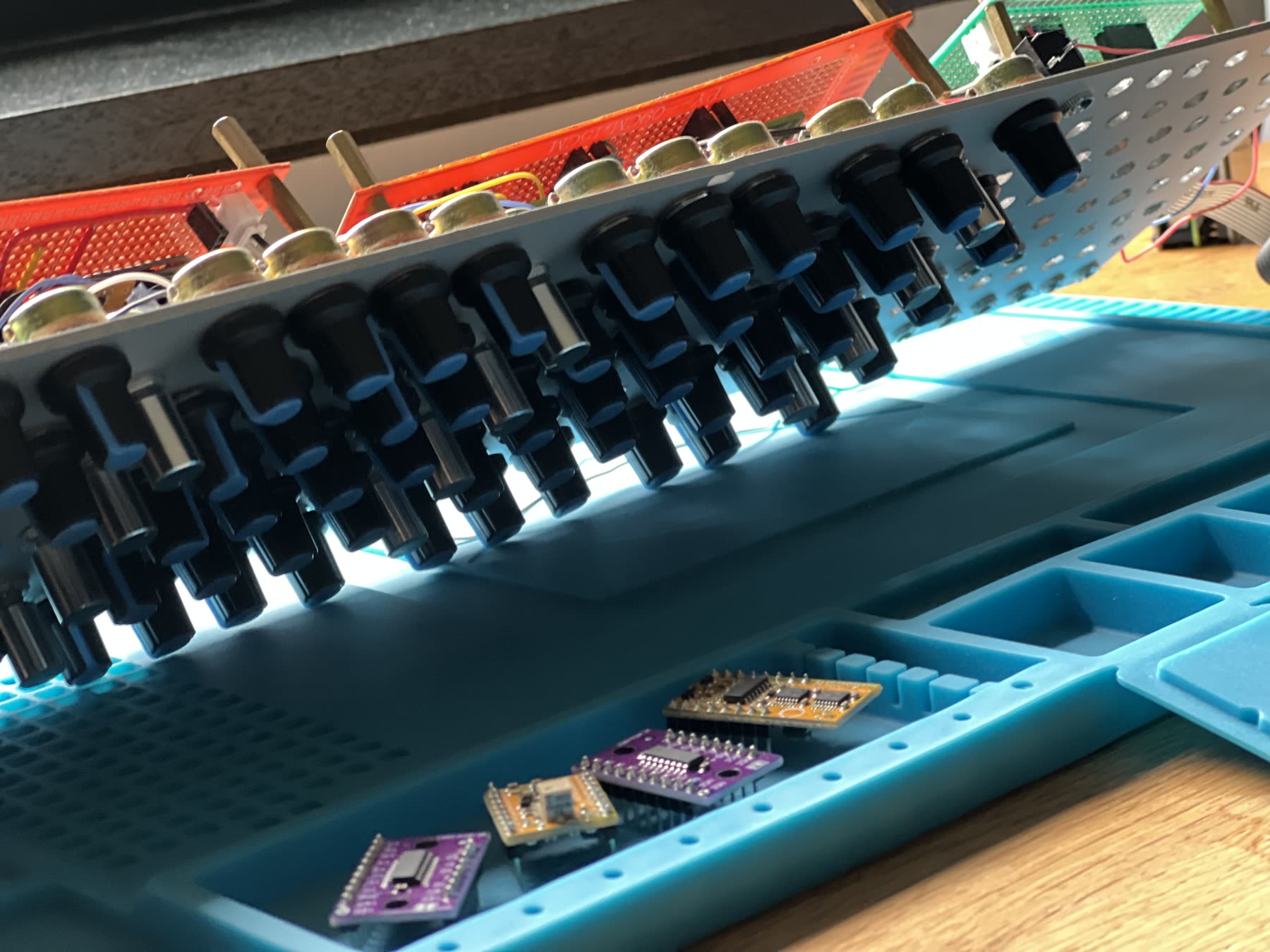
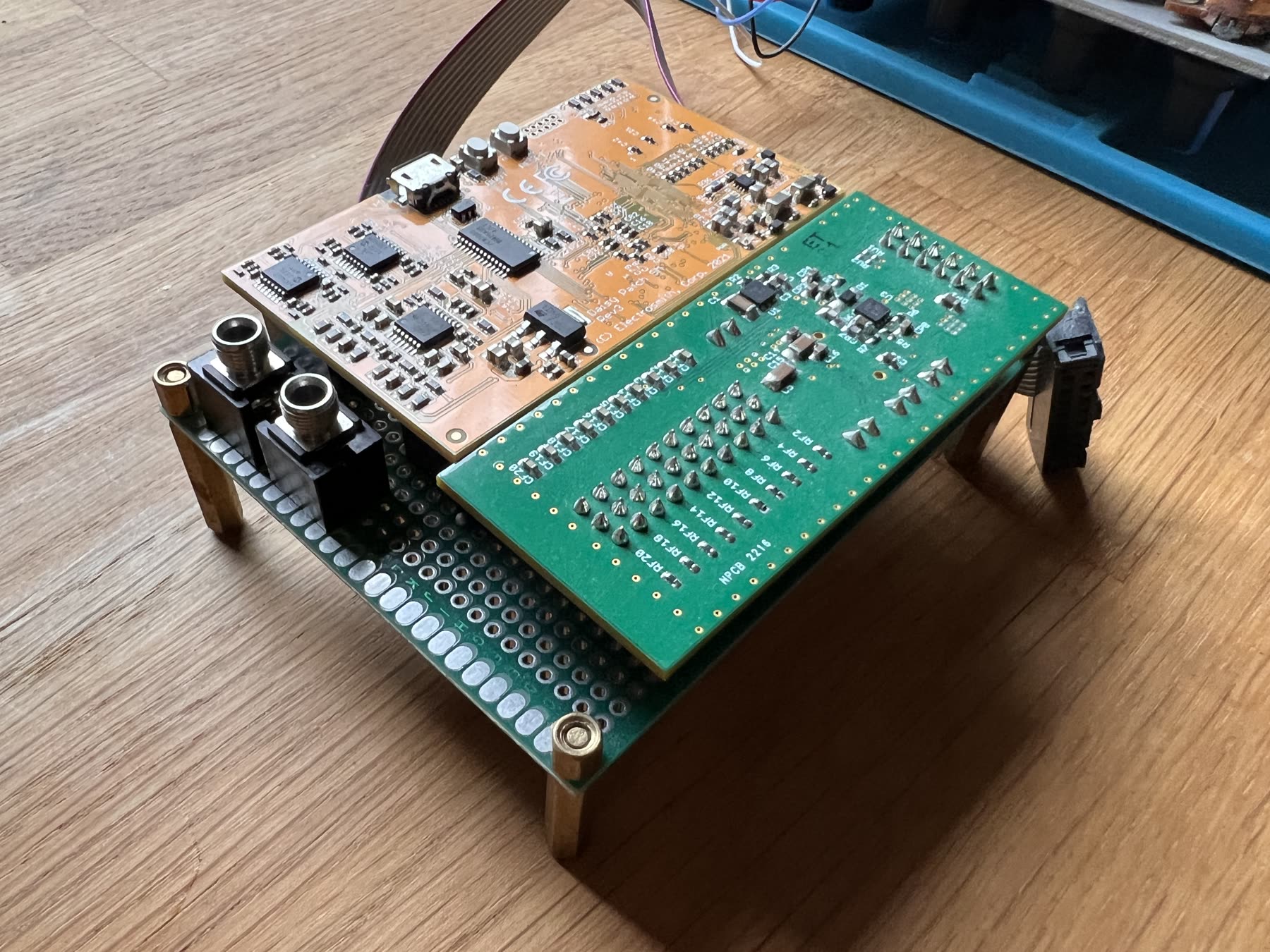
Hybrid groovebox prototype, panel and wiring detail.
Small Daisy-based ambient sound box experiment.

02 / Chords

Small, finished, public.

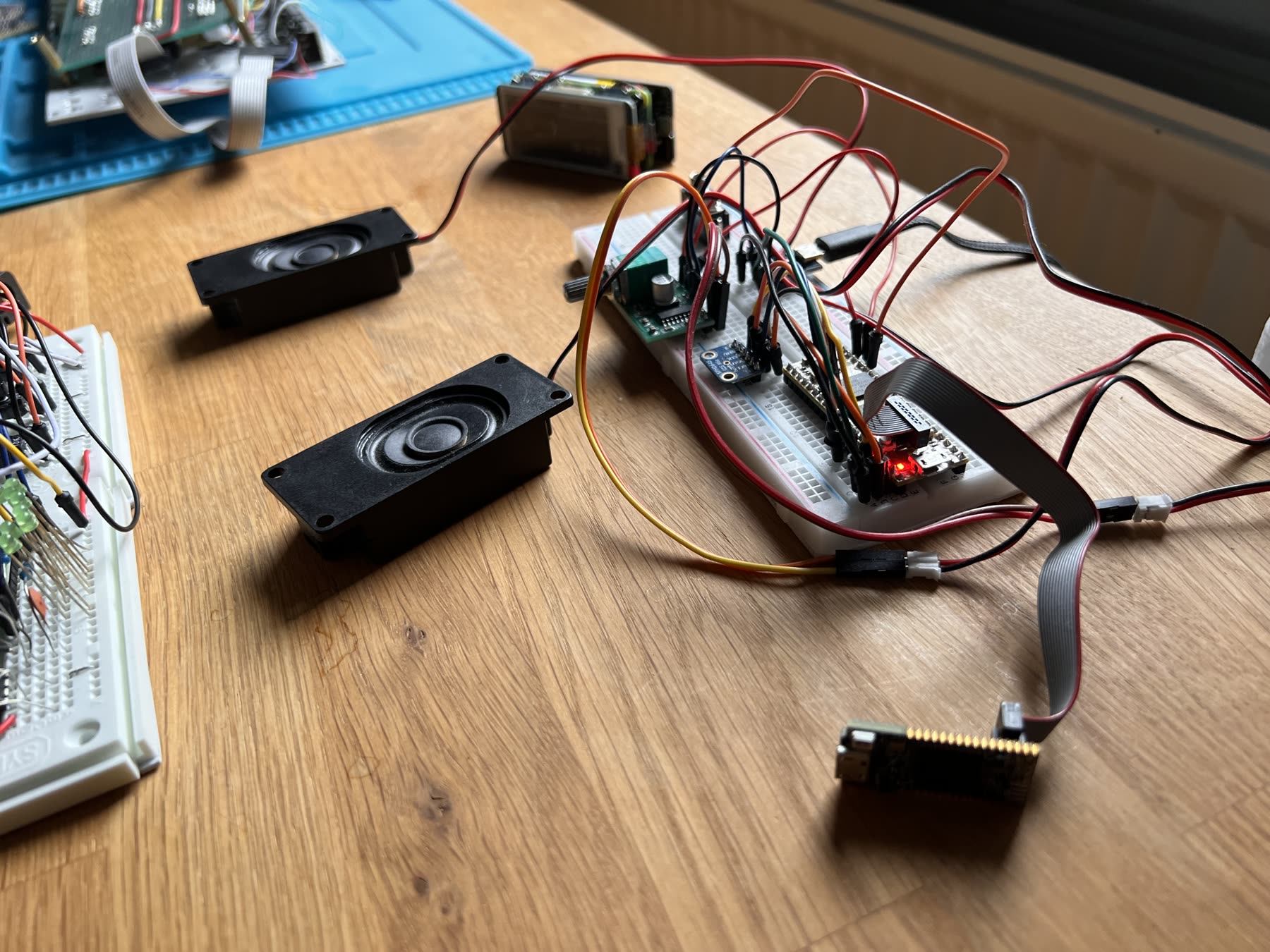
In the opposite direction, I built a small Daisy Seed ambient experiment: microphone input, a small amp, speakers, 5 V power, and firmware for slowly evolving chord textures. The intended object is simple: a small wooden box with a battery that produces soft ambient sound.

The firmware is public, documented, and MIT-licensed: C++17 on Daisy Seed, generative chord scenes, crossfading polyphonic voices, reverb, chorus, clocked sequencing, optional percussion, and optional microphone sampling — with standalone test builds, a central config, and full third-party license attribution.

github.com/mcbronkowitch/chords
Daisy Seed ambient box prototype with speakers, microphone and small amplifier on a breadboard.

FireFlow — a workshop journal for a small ambient groovebox.

Back to top